About the Course
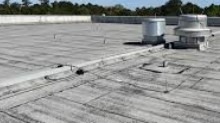
Low-slope roofing systems are a common choice for commercial, industrial, and some residential buildings due to their cost-effectiveness, energy efficiency, and ease of installation. These roofs have a slope of 3:12 or less, allowing for proper drainage while maximizing usable space. Common low-slope roofing materials include TPO (Thermoplastic Olefin), EPDM (Ethylene Propylene Diene Monomer), PVC (Polyvinyl Chloride), modified bitumen, and built-up roofing (BUR). Each material offers unique benefits, such as UV resistance, flexibility, and durability. Proper installation and routine maintenance are crucial for preventing water pooling, leaks, and membrane deterioration. Regular inspections, drainage management, and prompt repairs help extend the lifespan of low-slope roofing systems, ensuring long-term performance and protection against the elements.

Meet Mark Mandell
Marc Mandell is a roof broker who specializes in low slope roofing solutions.
Course Curriculum
Ready to Elevate Your Roofing Skills?
Enroll now and gain the expertise to excel in low-slope roofing systems